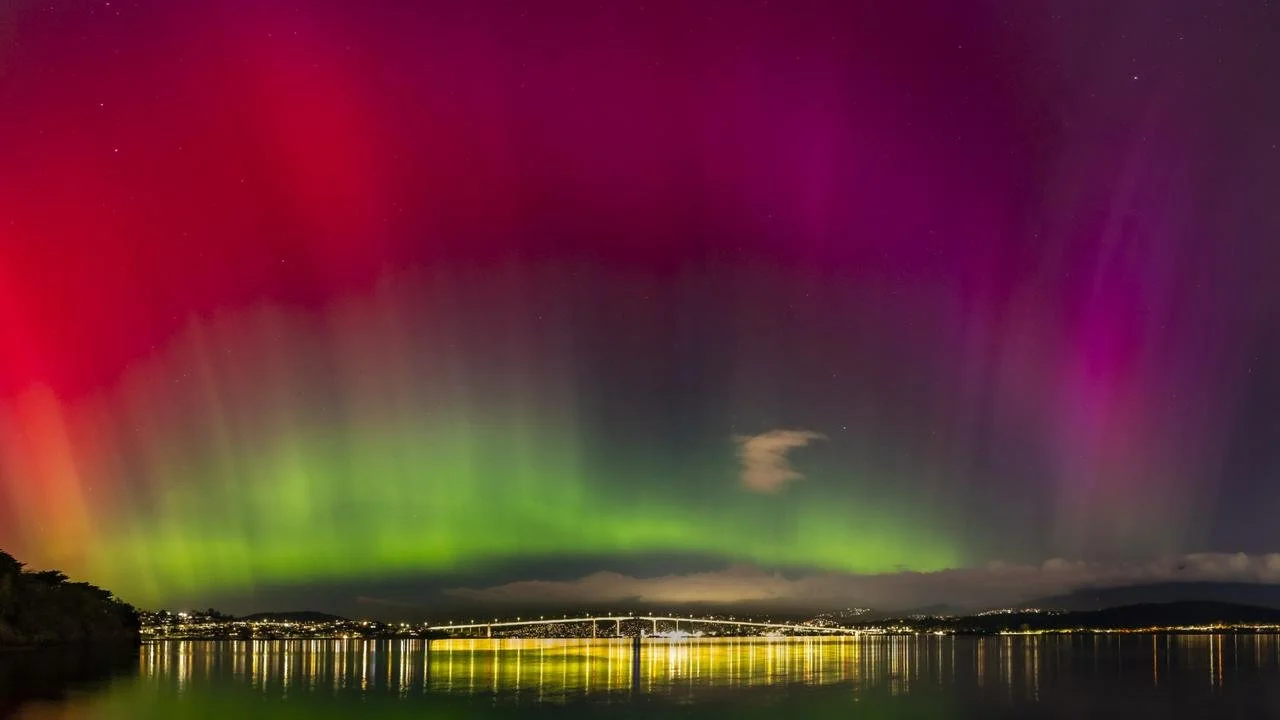
Aurora Australis – Southern Lights
The page introduces the Aurora Australis, also known as the Southern Lights, describing it as a spectacular natural light display visible in the southern hemisphere. It explains that the phenomenon occurs when charged particles from the sun interact with Earth’s atmosphere, creating colourful waves of light across the night sky.
The introduction highlights that Tasmania is one of the best places in the world to witness this phenomenon, making it a unique natural attraction for visitors staying in Hobart and the surrounding region.
Why Hobart Is One of the World's Best Aurora Destinations
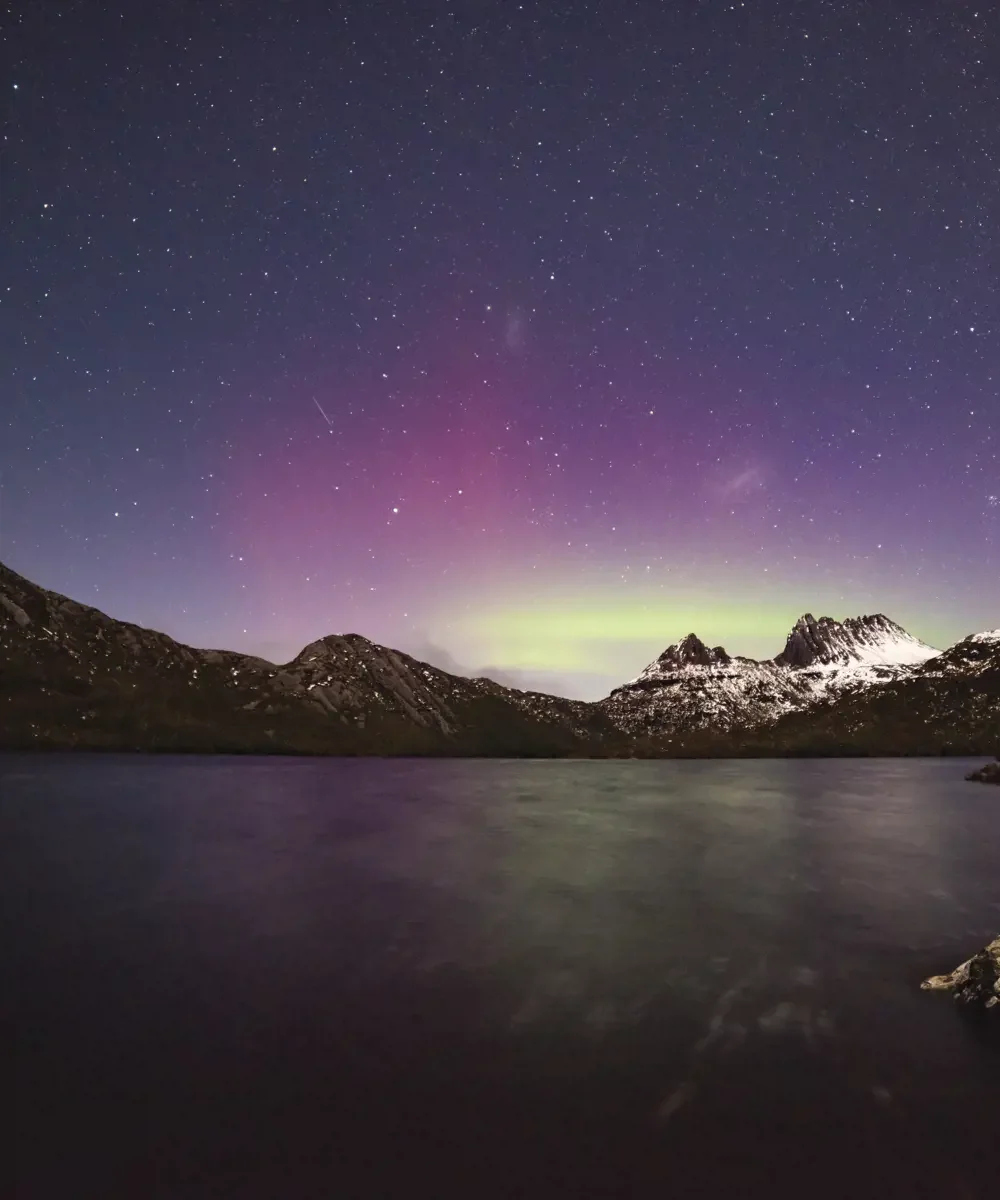
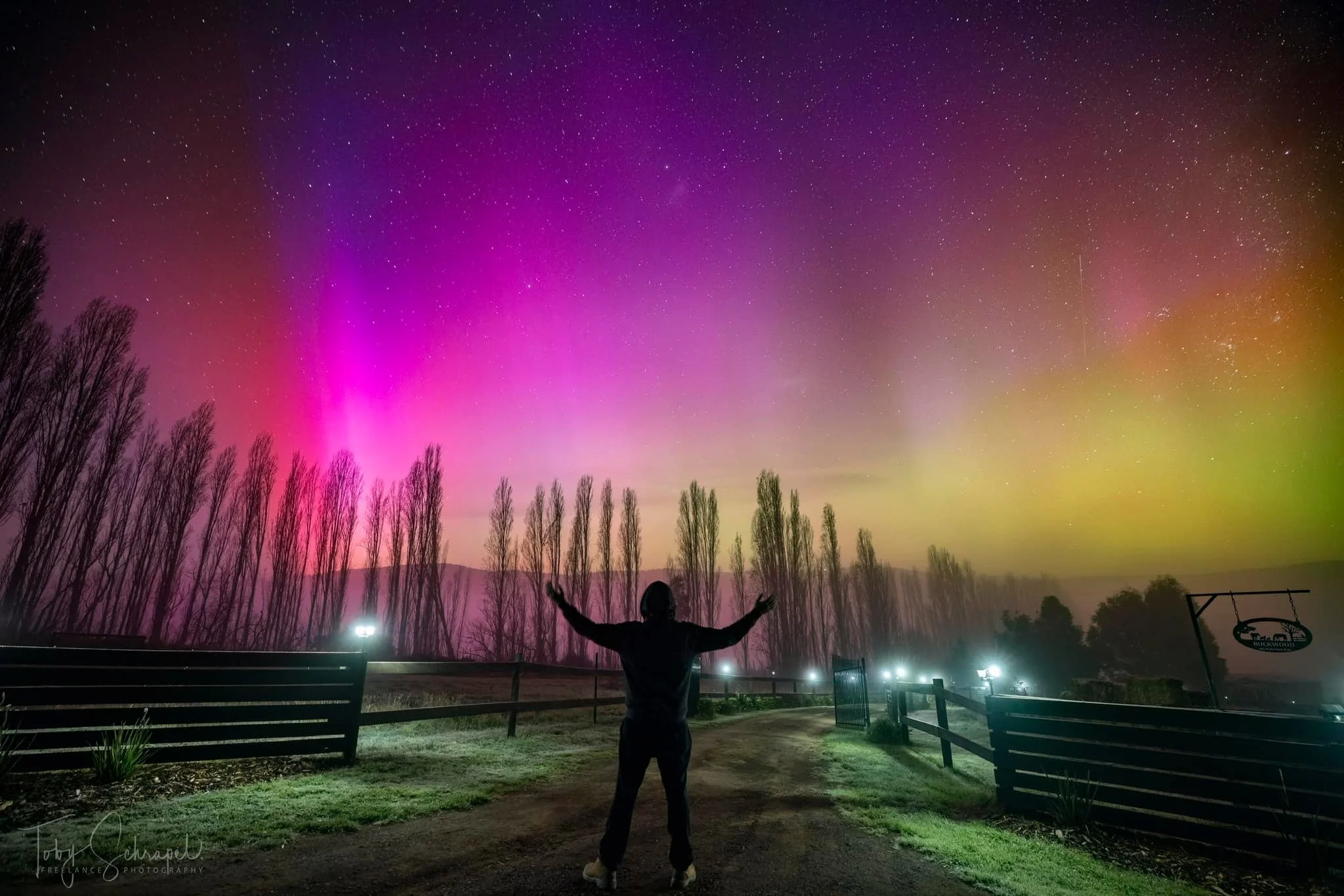
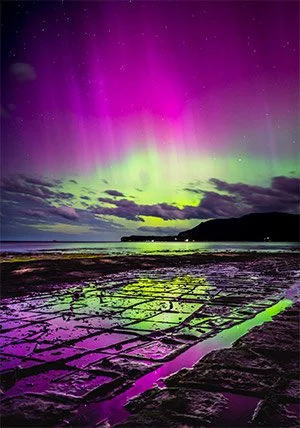
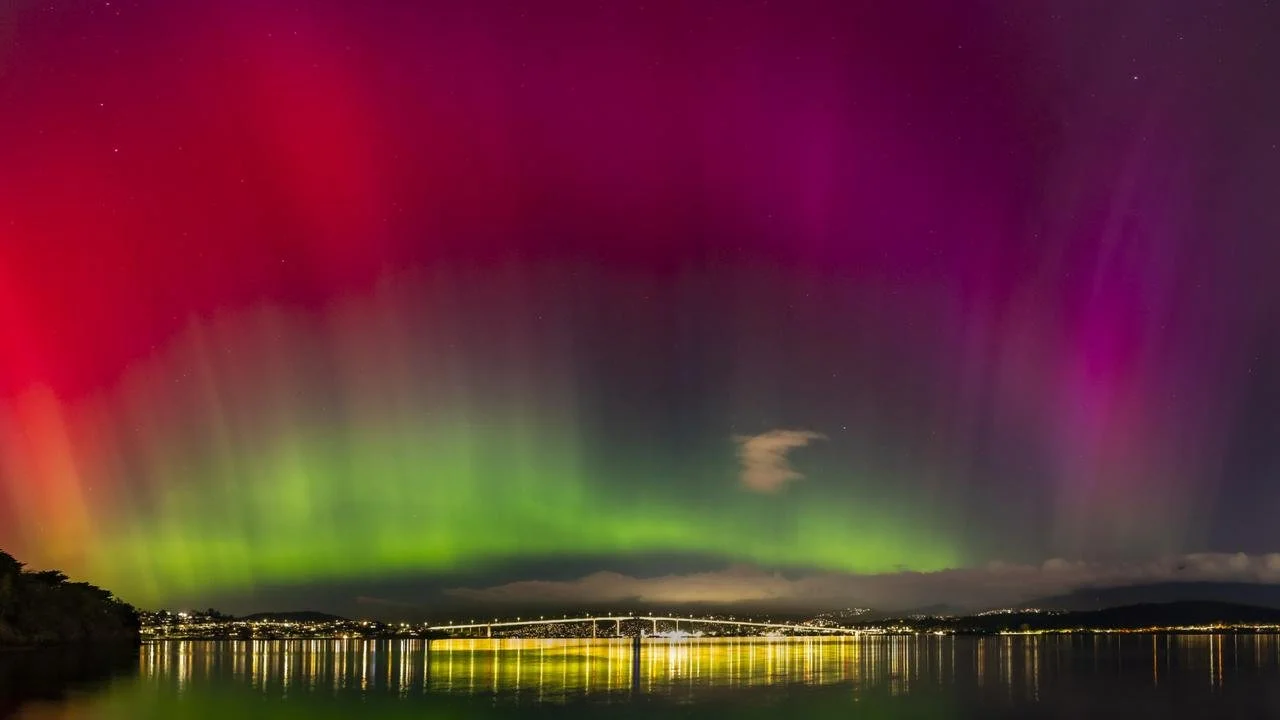
There are experiences that cannot be scheduled, priced, or guaranteed and that is precisely what makes them so extraordinary when they finally appear. The Aurora Australis, known across the Southern Hemisphere as the Southern Lights, belongs to that category completely. On the right night, the horizon south of Hobart erupts into shifting bands and curtains of color like deep violet, vivid green, occasional pink and white moving across the southern sky with a quality of motion that no photograph adequately conveys.
Tasmania is among the very few inhabited places on Earth where the Aurora Australis can be reliably pursued. Hobart is positioned at approximately 42.8 degrees south latitude sits closer to the southern magnetic pole than almost any other city of meaningful size in the world. On nights of elevated geomagnetic activity, the aurora can be visible with the naked eye from the city's southern suburbs and nearby beaches, without any need for specialized equipment.
The Science Behind the Auroral Display
Auroras occur when charged particles ejected from the sun interact with gases in Earth's upper atmosphere, causing those gases to emit light at specific wavelengths. Oxygen at higher altitudes produces deep red; oxygen at lower altitudes generates vivid green; nitrogen contributes blue and purple tones. The result is a natural light show entirely beyond human engineering, generated 100 kilometres above Earth's surface by forces originating 150 million kilometres away.
Best Aurora Viewing Spots Near Hobart
Rosny Lookout: River Reflections and Open Sky
The Rosny Lookout, on the eastern shore of the Derwent River, provides a panoramic view of the southern sky with the city's ambient glow behind you and the dark expanse of the river below the reflection of an active aurora display on the water is extraordinary when conditions permit. The Helm (Sandy Bay) and The Tempo (Sandy Bay) are geographically well placed for a late-night chase, with Sandy Bay at the southern edge of the city providing convenient access to the road networks leading to the best viewing grounds.
Seven Mile Beach: Wide Coastal Horizon for Astrophotography
Seven Mile Beach, approximately 25 minutes by car from the CBD, offers a long, flat beach face fully exposed to the southern sky with minimal light pollution. The flat horizon over the ocean provides a clean, uninterrupted view of the auroral band. On nights of strong geomagnetic activity the colours can fill the entire sky above the beach in a display that is genuinely difficult to describe with accuracy to someone who has not witnessed it.
South Arm Peninsula: The Premium Chase Location
South Arm, at the southern tip of the Meehan Range peninsula, is considered by experienced aurora chasers to be the optimal viewing location within easy reach of central Hobart. The drive takes approximately 35 minutes from the CBD. The narrow neck of land at South Arm places you well away from the city's ambient glow with a clear, wide view of the southern horizon. On nights of elevated activity, observers here have watched full-sky displays that registered as among the most memorable experiences of their entire lives.
How to Plan Your Aurora Chase
Understanding the KP Index and Space Weather Apps
For the best chance of witnessing the aurora from Hobart, a specific set of conditions must align. The night must be clear and preferably moonless cloud cover is the most consistent frustration, given Tasmania's maritime climate. The KP index, a widely used measure of geomagnetic activity on a scale from zero to nine, should ideally reach five or above for a clearly visible display from southern Tasmania. Several free mobile applications and specialist space weather websites provide real-time monitoring and automated alerts.
Guided Aurora Tours and Photography Experiences
For those who want to maximise their chances, guided aurora tours operate from Hobart throughout the active season. Local guides monitor space weather forecasts in real time and transport small groups to optimal locations. The summit of kunanyi/Mount Wellington offers a spectacular elevated vantage point on the right night, and Tasmania's foreground landscape beaches, heritage sandstone, mountain ridgelines provides a context that photographers from across Australia return to repeatedly.
When to Visit: Aurora Season and Seasonal Patterns
Displays are statistically more frequent around the equinoxes from March to April and September to October. when Earth's position relative to the solar wind increases auroral activity. Strong displays can occur at any time of year. Combining an aurora chase with a broader Hobart itinerary that includes the Royal Tasmanian Botanical Gardens during the day and Salamanca Markets on Saturday morning creates a visit with a satisfying range of natural and cultural texture.
Not every stay in Hobart will include a Southern Lights display. The aurora is seasonal, weather-dependent, and ultimately governed by the magnetic activity of the sun itself. Book the accommodation, set the alerts, watch the forecasts, and be ready to move at short notice. When it appears on a cold, clear Tasmanian night, the Aurora Australis delivers something that sits well outside the boundaries of ordinary travel.